1
Cell Collection (Apheresis)
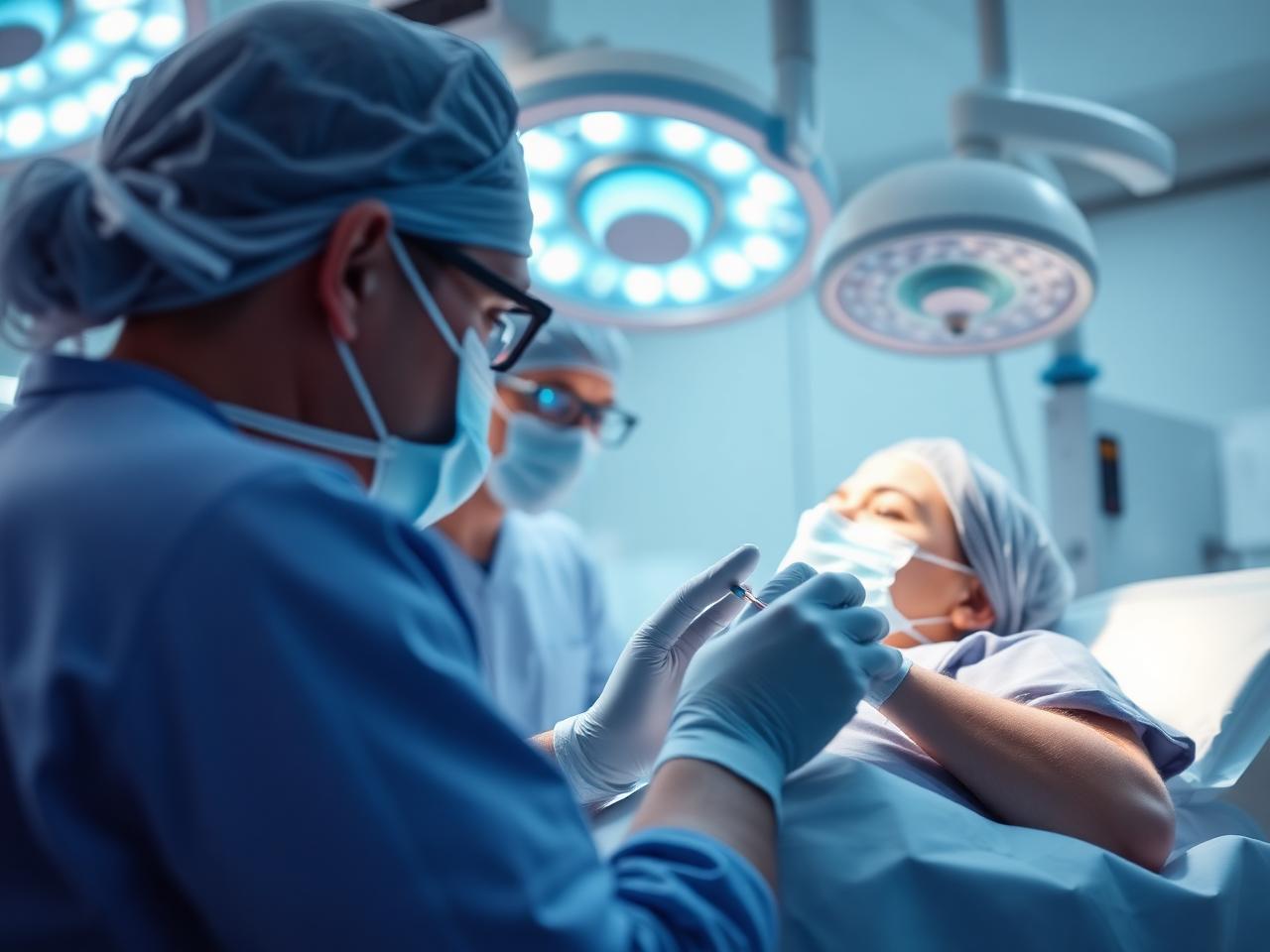
A process called apheresis collects T cells key immune cells from the patient's bloodstream. This typically takes several hours and is performed at a specialized collection center.
Understanding Cellular Therapy
Cellular therapy is one of the most promising and often misunderstood advances in modern medicine. This page explains it in plain language.
What It Is
Most medicines are manufactured in a factory and given to many patients. Cellular therapy works differently. It uses a patient's own immune cells collected, modified, and returned to the body to fight disease.
One of the most widely known forms is CAR-T therapy (chimeric antigen receptor T-cell therapy). For some patients with blood cancers who have exhausted other options, CAR-T has produced durable remissions after a single treatment.
The Five Steps
A process called apheresis collects T cells key immune cells from the patient's bloodstream. This typically takes several hours and is performed at a specialized collection center.
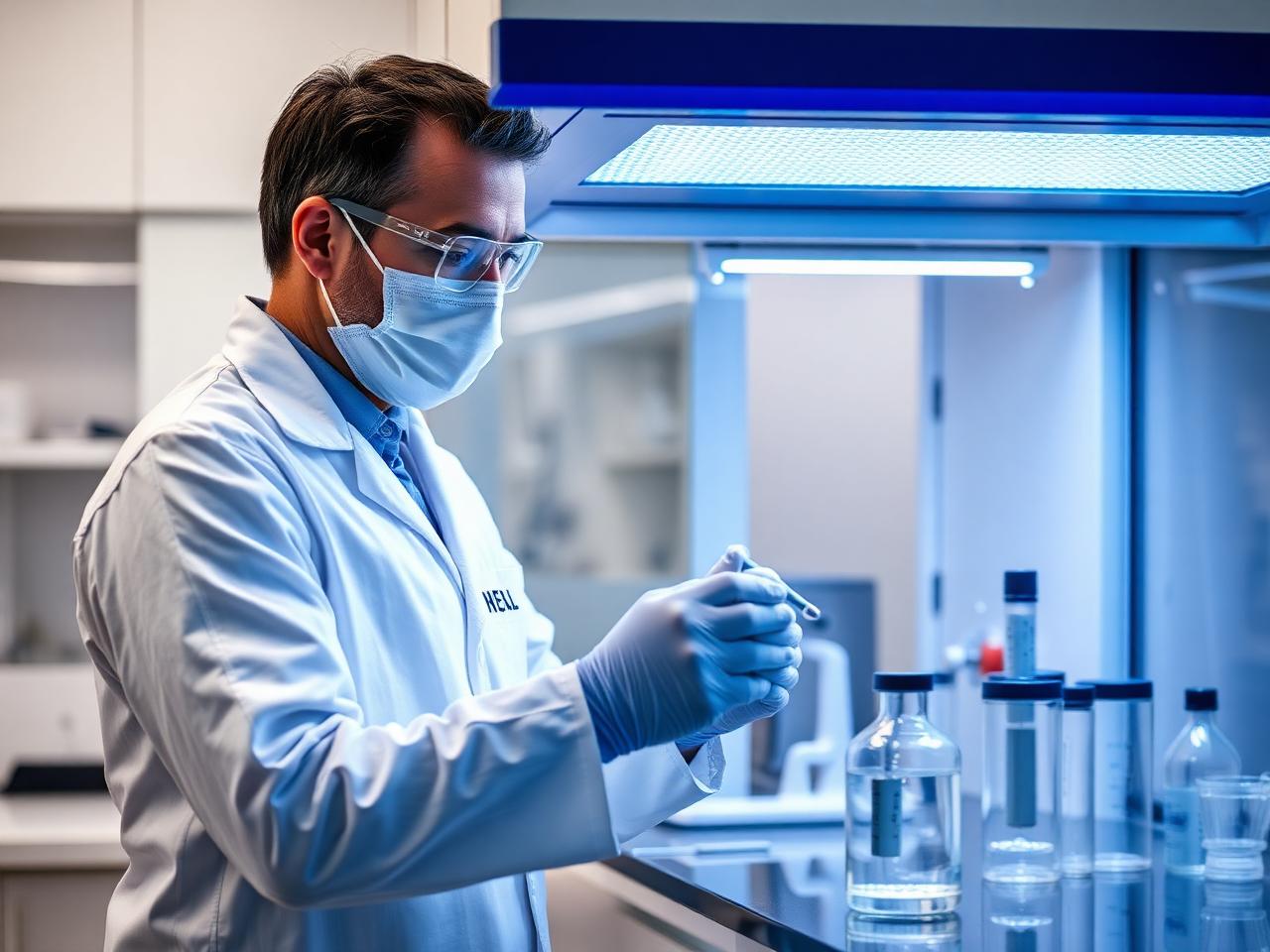
The collected cells are sent to a manufacturing facility where they are genetically modified to recognize and attack cancer cells.
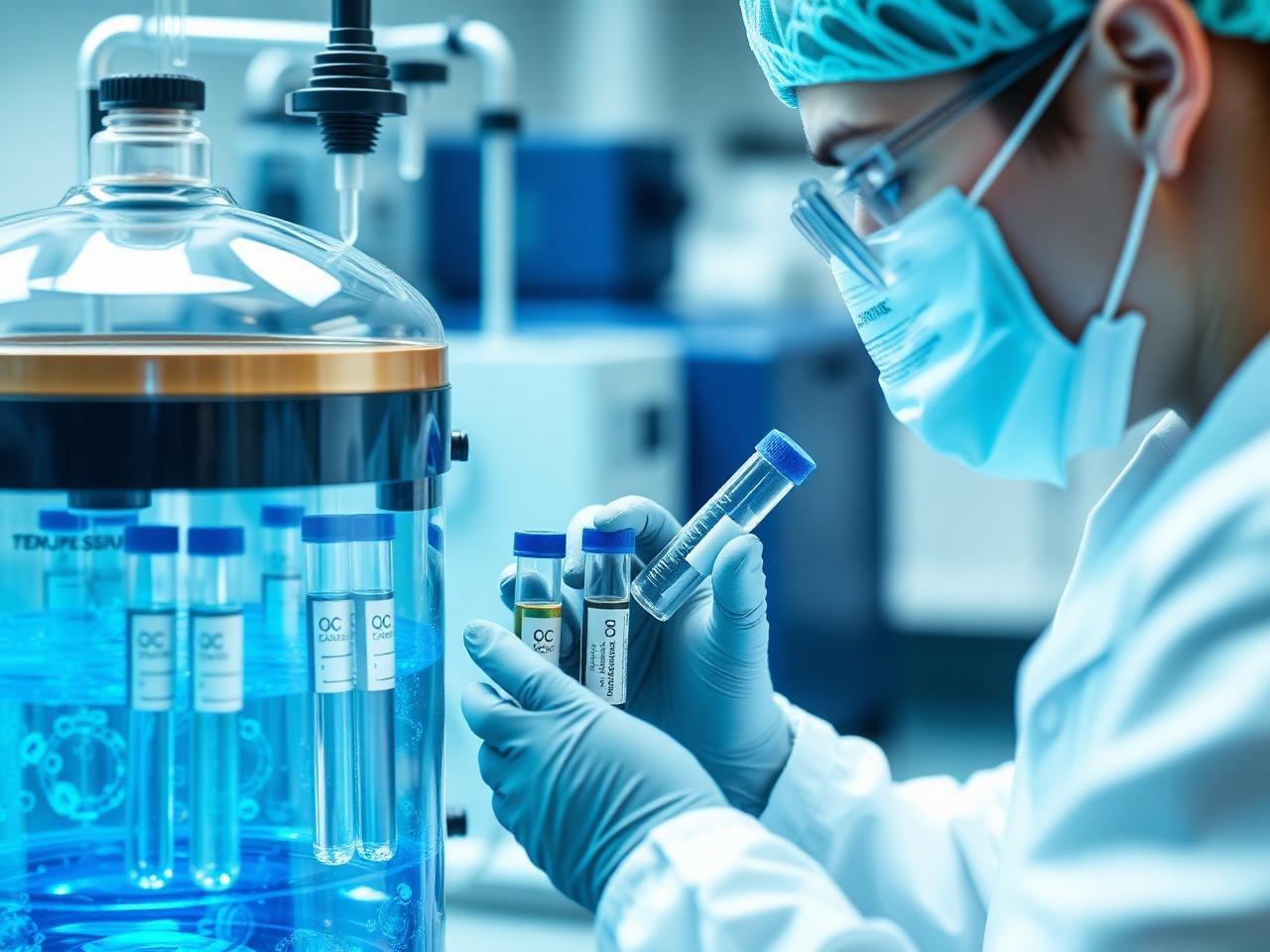
The engineered cells are multiplied into the millions and undergo rigorous quality testing to ensure they meet strict release criteria before being returned to the treatment center.
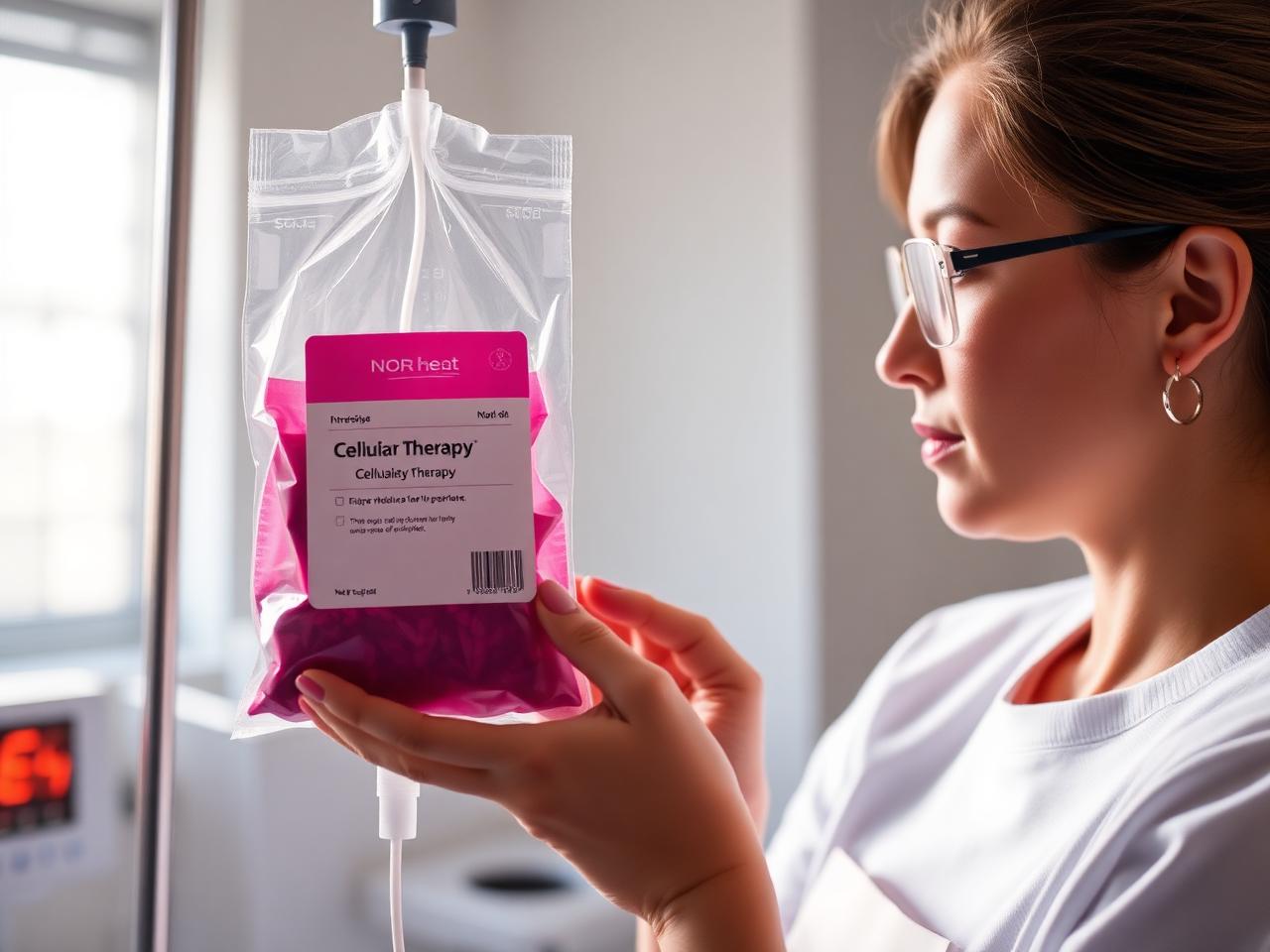
The modified cells are infused back into the patient's bloodstream, where they can recognize and attack cancer cells throughout the body.

Patients are closely monitored in the days and weeks after infusion. CAR-T therapy can cause specific side effects that experienced clinical teams are trained to recognize and manage.

Why It Matters
What makes cellular therapy remarkable is that the engineered cells can persist in the body long after infusion, continuing to recognize and attack cancer cells.
For some patients, this has meant remissions measured in years rather than months. Cellular therapy is not the right option for every patient or every cancer. But for patients who qualify, it can be life-changing.
Access & Next Steps
Cellular therapy requires specialized infrastructure, trained teams, and strict quality systems. For that reason, it is currently available only at selected treatment centers.
If you or a loved one are exploring whether cellular therapy may be an option, the first step is a conversation with your oncologist. They can help determine eligibility and guide referrals to appropriate treatment centers.
This content is for informational purposes only and does not constitute medical advice.
Our blog covers the full picture practical insights from the work we do every day.