
The Cellular Therapy Landscape

Cellular therapy is changing medicine. Delivering it safely is far more complex.

Here's what every program leader eventually discovers about cellular therapy delivery - from apheresis through infusion and long-term monitoring.

Apheresis Manufacturing Cold Chain Infusion Monitoring
Days
from collection to infusion
5+
partners coordinated per program
GMP
manufacturing standards
Zero
tolerance for chain-of-custody breaks

Two Sides of the Same Therapy

Clinical familiarity. Operational complexity.

Cell therapy looks like oncology on the surface but the systems beneath it are entirely different.

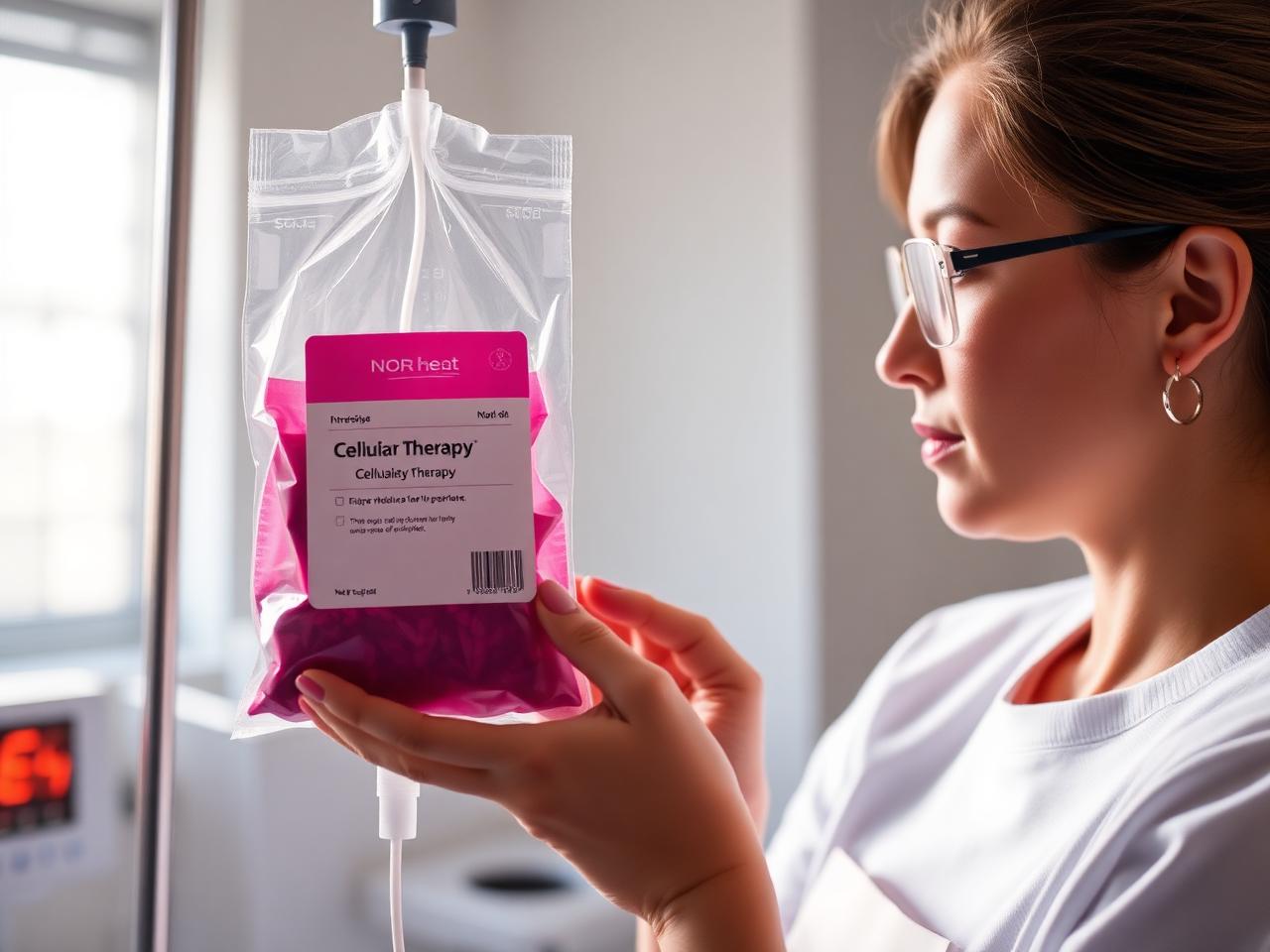
Clinical care for cellular therapy
Clinical Side

The clinical side often feels familiar.

Experienced oncology and transplant teams already understand complex patients and clinical trials. But cellular therapy introduces additional layers that most programs are not built to manage from apheresis logistics and chain-of-identity to GMP manufacturing coordination and FACT accreditation.

  • Patient-specific manufacturing with zero margin for error
  • Chain-of-identity maintained vein to vein
  • Cold chain coordination on strict timelines
  • GMP and GCP compliance in parallel
  • Post-infusion monitoring with CGT-specific toxicity protocols

Operational systems for cellular therapy
Operational Breakdown

Most program failures aren't clinical they're operational.

A delayed apheresis collection. A documentation gap. A miscommunication between the clinical site and the manufacturer. Small breakdowns in coordination can delay treatment or halt a program entirely.

Delayed collection
Documentation gap
Handoff failure

Why CellServe exists

To build the operational systems that allow cellular therapy programs to function safely and reliably.

The Big Picture

This isn't a new drug. It's a new model of care delivery.

Cellular therapy particularly CAR-T represents one of the most significant advances in oncology in decades. For patients with certain blood cancers who have exhausted other options, it can offer durable remission from a single, personalized treatment.

But unlike a conventional drug that can be manufactured at scale and distributed broadly, cellular therapy is living medicine. A patient's own cells are collected, engineered in specialized manufacturing facilities, and returned to the patient on a tightly controlled timeline.

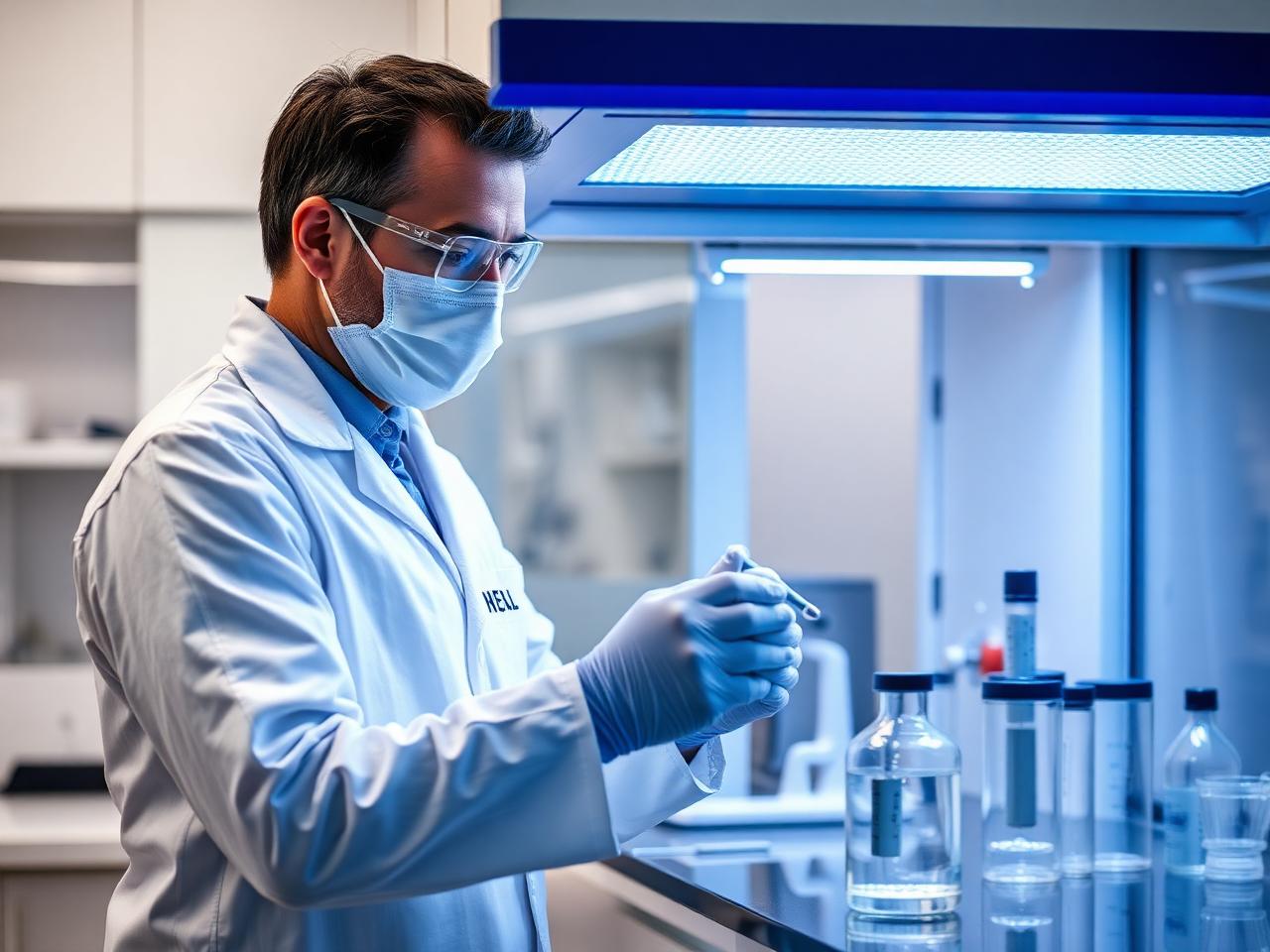
Cellular therapy product handled in a sterile cleanroom

The Cellular Therapy Journey

One patient. Five precision-coordinated stages. Zero margin for error.

Every CAR-T or cellular therapy product travels a tightly orchestrated path from the patient, to the manufacturer, and back again. Each step depends on the one before it.

  1. Apheresis
    01

    Apheresis

    Patient cells collected under strict chain-of-identity protocols.

  2. Engineering
    02

    Engineering

    Cells genetically modified in GMP manufacturing facilities.

  3. Quality Release
    03

    Quality Release

    Sterility, potency, and identity testing before release.

  4. Infusion
    04

    Infusion

    Patient-specific product returned and re-infused on schedule.

  5. Monitoring
    05

    Monitoring

    CRS, neurotoxicity, and long-term safety surveillance.

The entire vein-to-vein journey is measured in days not weeks. A single breakdown can cost a patient their window of treatment.

The Access Gap

Most patients who need this therapy can't reach it yet.

For years, cellular therapy was available only at a small number of major academic medical centers. Community hospitals, regional cancer centers, and patients across Latin America, the Middle East, and many underserved regions of the United States were largely excluded.

Access is beginning to expand but expanding access safely requires far more than interest. Safe, reliable programs require trained teams, coordinated workflows, regulatory alignment, and strong quality systems.

Global network of cellular therapy centers

Expanding access without the right infrastructure introduces new risks.

Sustainable expansion requires quality governance, operational execution, and regulatory alignment from the start. That's the foundation CellServe builds.

The Regulatory Reality

Multiple frameworks. Simultaneous obligations. High stakes.

Cellular therapy programs operate at the intersection of clinical trial governance, GMP manufacturing standards, GCP site requirements, FACT accreditation, and post-infusion safety reporting often all at once. A gap in any area is not only a paperwork problem it can halt a program entirely.

CellServe embeds regulatory readiness into the daily operation of every program so inspection readiness isn't a sprint before an audit, it's how the program operates daily.

FACT

Accreditation

GMP / GTP

Manufacturing

GCP

Clinical Trials

FDA / EMA

Regulatory Filings

Building or expanding a cellular therapy program?

See how CellServe's Service Line 1 and Service Line 2 services support every stage of site and program development.

Enable My Clinical Site

Advancing a cellular therapy clinical trial?

See how CellServe's operational model simplifies trial coordination for sponsors and manufacturers.

Advance Your Trial